


Can vitamins help with concentration?
Vitamins and minerals support our bodies in countless ways.
From selenium’s effects on our hair and nails to the antioxidant properties of vitamin E*, getting enough of these nutrients as part of our day-to-day diet is vital to staying healthy.
But first, let’s look at the factors that influence our ability to focus and investigate how our diet might affect our brain function.
*Vitamin E contributes to the protection of cells from oxidative stress
What affects concentration?
From digital distractions to unexpected interruptions, day-to-day life is full of things that can impact our ability to focus on tasks and get things done.
In fact, even while you’re reading this article, there’s a good chance you’ve already glanced at your phone at least once – and you’re not alone. Recent statistics show we check our phones an average of 58 times per day!
But it’s not all down to smartphones stealing our attention. Plenty of other things can mess with our concentration, too.
Here are some of the main culprits behind poor concentration:
- Older age
- Lack of sleep
- High stress
- Excessive use of laptops, tablets and other electronic devices
- Diet
- Underlying medical conditions, such as attention deficit hyperactivity disorder (ADHD)
- Some medications
The role of nutrition in cognitive function
While many factors can influence cognitive function, our diet plays a particularly important role.
Our brain, just like any other organ, needs a steady supply of nutrients to function at its best. Put simply, without the right kind of fuel, our cognitive performance may start to slip, resulting in mental fatigue and a drop in concentration.
Vitamins and minerals help provide our brains with the support they need to carry out various processes, many of which directly impact our nervous system (the part of the body that controls movement, thoughts and feelings) and cognitive function (the mental skills we use to think, learn and remember).
Key vitamins and nutrients that may support mental performance
Each vitamin and mineral plays a distinct role in keeping our bodies healthy.
This means that when it comes to brain health, some stand out more than others.
Vitamin B complex
The vitamin B complex includes a group of essential nutrients, each with its own unique role:
- Vitamin B1 (thiamin)
- Vitamin B2 (riboflavin)
- Vitamin B3 (niacin)
- Vitamin B5 (pantothenic acid)
- Vitamin B6 (pyridoxine)
- Vitamin B7 (biotin)
- Vitamin B9 (folic acid)
- Vitamin B12 (cobalamin)
Vitamins B1, B6, B7 and B9, for example, help contribute to normal psychological function. Meanwhile, vitamin B2 helps convert the food we eat into fuel – a process known as normal energy-yielding metabolism – and vitamin B5 supports normal mental performance.
But when it comes to brain health, vitamin B12 is often seen as important, helping contribute towards normal psychological function.
Vitamin C
Vitamin C is an antioxidant* found in a wide range of fruits and vegetables – from citrus fruits and peppers to broccoli and Brussels sprouts. However, it also plays a number of key roles within our nervous system, such as contributing to normal psychological function.
*Vitamin C contributes to the protection of cells from oxidative stress.
Magnesium
Magnesium is a mineral found in a variety of foods, including leafy green vegetables, wholemeal bread and nuts.
While it’s often recognised for its role in energy production, magnesium is just as important for its role in the nervous system and contributing to normal psychological function.
Zinc
Zinc is a mineral found in a range of foods, including meat, shellfish, dairy products, bread and cereals. It also helps contribute towards normal cognitive function, as well as helping to make new cells and enzymes.
Can supplements help?
While you should be able to source the vitamins and minerals you need from a balanced diet, supplements can be a helpful way to increase your intake of certain nutrients.
Berocca® Mind Effervescent Tablets contain all eight B vitamins and minerals, including the vitamin B complex, vitamin C, iron, magnesium and zinc. They also feature Spanish sage to help support your memory, mental performance and cognitive function.
Supplements shouldn’t replace a healthy diet, and taking more than recommended could be harmful. So, speak to a doctor or pharmacist if you’re unsure.
Want to explore more? Take a look at our dedicated page to discover the full range of Berocca® Mind products.
Diet and lifestyle habits that may support focus
If you’re finding it hard to focus and stay on top of tasks, don’t worry – while no single food will dramatically improve concentration, certain dietary and lifestyle habits may help support overall cognitive function and make it easier to sustain attention throughout the day.
When it comes to food and drink, general advice includes:
- Cutting back on excess sugar intake
- Eating meals at regular intervals
- Staying hydrated by drinking more water
And when it comes to what to eat more of, try incorporating:
- Green leafy vegetables (like kale, spinach and broccoli)
- Oily fish
- Berries (such as strawberries and blueberries)
- Walnuts
Alongside dietary changes, various lifestyle habits may help you focus and support overall cognitive health. For example, you should:
- Look after your mental wellbeing using relaxation techniques or mindfulness
- Stay active with regular exercise (such as walking, swimming or cycling)
- Engage in brain-based activities (such as reading, puzzles or learning new skills)
- Prioritise getting a good night’s sleep
- Eat a balanced diet
- Review any existing medications you take with your doctor
- Maintain strong social connections and meaningful relationships
Find the right
Berocca® for You
Shop for Berocca now!
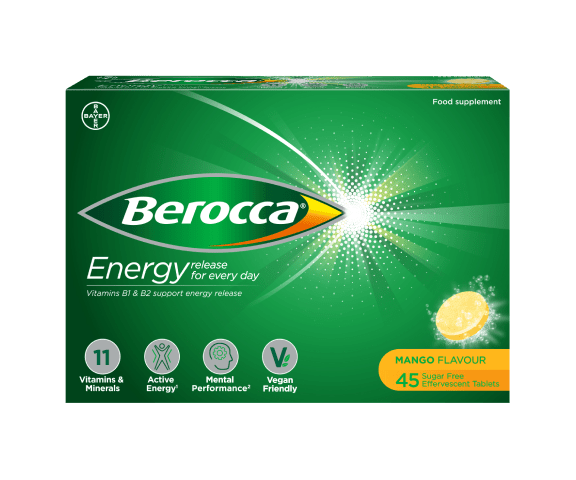

Berocca® Boost Effervescent Tablets
With caffeine for a little kick when you need it most*

Berocca® Blackcurrant Effervescent Tablets
Drop in a glass of water. Wait to fizz. Enjoy!
Find
The nearest shop
Get more time in your day with less time shopping. Get your Berocca from a store nearby.
Discover
Vitamins & Minerals
Explore useful tips and advice on improving specific areas of your health or lifestyle, for example tiredness and fatigue or immunity.


*Berocca Boost contains caffeine which helps improve alertness and concentration. Do not exceed 400mg of caffeine per day. Not suitable for those pregnant or breastfeeding.