


Why is vitamin D important?
Vitamin D, often called the ‘sunshine vitamin’, helps contribute to our health and wellbeing. From supporting normal bones to contributing to our immune system, this essential nutrient helps with numerous bodily processes behind the scenes.
Whether you decide to soak up the sun’s rays or turn to a supplement to increase your intake during the winter months, understanding the role of vitamin D can help you make smarter, more informed choices to support your health.
What is vitamin D and why is it important for our health?
Vitamin D is a fat-soluble vitamin that our bodies naturally produce when our skin is exposed to sunlight – which is why it’s often nicknamed the ‘sunshine vitamin’.
Like many other vitamins, vitamin D plays a number of key roles in the body and offers a range of benefits. Let’s take a closer look at some of the most important ones.
Supports bone and muscle health
According to the European Food Safety Authority (EFSA), vitamin D contributes to the maintenance of normal bones, teeth and muscle function.
Vitamin D also contributes to normal calcium levels in the blood and contributes to normal absorption and use of calcium in the body.
Staying active is also important for helping to maintain healthy muscles and bones as we age.
Helps the immune system function
The EFSA states that vitamin D contributes to the normal functioning of the immune system in both adults and children. It supports immune cells like T cells and macrophages (types of white blood cells), which are responsible for detecting and responding to viruses and bacteria.
That’s why maintaining healthy vitamin D levels is especially important during the winter months, when there’s less sunlight, making it harder for the body to produce enough.
In fact, the UK government advises that everyone should consider taking a daily vitamin D supplement during the autumn and winter.
Good sources of vitamin D
Now that we know why vitamin D is important, the next question is: how can you make sure you’re getting enough?
Sunlight is the most well-known and natural source, but it’s not the only one. Here’s what to focus on when looking to increase your intake.
Sunlight
Vitamin D is often called the ‘sunshine vitamin’ because our skin produces it when exposed to sunlight. Spending time outdoors is a great way to increase your intake – particularly between late March and the end of September.
Simply spending short periods of time in the sun (between 11am and 3pm) is normally enough to help our skin start producing vitamin D – around 10 minutes of the sun on your face or arms without sunscreen is needed. But be careful not to overdo it – too much sun exposure can lead to sunburn. Always use sunscreen if your skin is exposed to the sun for more than 10 minutes.
Sunlight also isn’t always the most reliable source year-round, with it taking longer to produce vitamin D on cloudier days.
How much vitamin D your body can produce may also be affected by things like the season, time of day, use of sunscreen, skin tone (if you have dark skin – for example, if you have an African, African-Caribbean or South Asian background) and the clothes you wear.
So while most people make all of the vitamin D they need from sunlight during the spring and summer months, you should rely on other sources to make sure you’re getting enough in autumn and winter. UK government advice is that everyone take a daily vitamin D supplement during these months of the year.
Foods with good source of vitamin D
While vitamin D is only naturally present in a small number of foods, there are still some dietary sources that can help top up your intake. These include:
- Oily fish, such as salmon, mackerel, trout, herrings and sardines
- Red meat
- Liver
- Egg yolks
- Fortified foods, such as some cereals, fat spreads and some soya products
- Cod liver oil
However, it’s important to note that most people find it difficult to get enough vitamin D from their diet alone during the autumn and winter months. So, while including these foods in your diet can help, you may need to look at other sources to maintain healthy levels year-round.
Vitamin D supplements
As the name suggests, vitamin D supplements top up the amount your body gets from sunlight and the food you eat.
In the UK, it’s particularly important to consider supplements during the autumn and winter months, when sunlight levels are too low for our skin to produce enough vitamin D by itself.
This is why the government recommends taking a daily supplement during this time of the year. Approximately 71% of adults in the UK now take food supplements.
You can find vitamin D supplements in local pharmacies and supermarkets. They’re often included in multivitamins, such as Berocca® Immuno Effervescent Tablets.
While vitamin D offers several benefits, it’s just one part of the bigger picture. The body also relies on a range of other vitamins and minerals to function properly.
Berocca® Immuno Effervescent Tablets offer a convenient way to get 11 essential vitamins and minerals in one go – including three B vitamins (B6, B9 and B12), vitamin C, vitamins D, A, E, iron, zinc, copper and selenium.
If you prefer a chewable format, Berocca® Immuno Gummies also provide a convenient way to help support your immune system with vitamin D, C, E and zinc – alongside a wider blend of essential nutrients.
How much vitamin D do you need?
How much vitamin D you need can vary depending on your personal circumstances, including your age, lifestyle and the time of year.
For adults and children aged one and over, the recommended amount is 10 micrograms (or 400 IU) per day.
From late March to the end of September, most people should be able to make enough vitamin D from spending short periods of 10 minutes a day in the sun (between 11am and 3pm). But during autumn and winter, supplements and food sources become more important to help maintain healthy levels.
Babies under 12 months need 8.5 to 10 micrograms of vitamin D per day. If your baby is formula-fed, they won’t usually need a supplement – but only if they’re having 500ml (almost a pint) or more of formula each day, as it'll already be fortified with vitamin D. If they’re having less than that, a supplement will likely be recommended.
Should you take a vitamin D supplement?
Since it's difficult for people to get enough vitamin D from food alone, everyone (including pregnant and breastfeeding women) should consider taking a daily supplement containing 10 micrograms of vitamin D during the autumn and winter.
Some people may struggle to make enough vitamin D from sunshine exposure. For example, you may need extra support if you:
- Spend little time outdoors
- Have darker skin (for example, you have an African, African-Caribbean or South Asian background)
- Wear clothing that covers most of your skin when outdoors
If you’re still unsure whether taking a vitamin D supplement is right for you, speak to your doctor or pharmacist for personalised advice.
Vitamin D might not be something you think about every day – but your body certainly does. From helping to keep your bones healthy to supporting your immune system, it’s described as an essential vitamin for good reason.
Curious about how other vitamins and minerals support your health? Explore our dedicated energy blog for easy-to-read guides and expert insights.
Find the right
Berocca® for You
Shop for Berocca now!
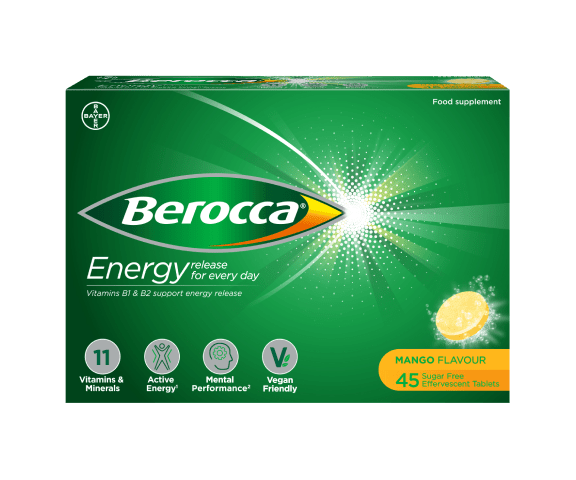

Berocca® Boost Effervescent Tablets
With caffeine for a little kick when you need it most*

Berocca® Blackcurrant Effervescent Tablets
Drop in a glass of water. Wait to fizz. Enjoy!
Find
The nearest shop
Get your Berocca from a store nearby.
Discover
Vitamins & Minerals
Explore useful tips and advice on improving specific areas of your health or lifestyle, for example tiredness and fatigue or immunity.


*Berocca Boost contains caffeine which helps improve alertness and concentration. Do not exceed 400mg of caffeine per day. Not suitable for those pregnant or breastfeeding.