


Electrolytes vs vitamins – what’s the difference?
Vitamins and electrolytes are both essential nutrients, but they support the body in different ways. Vitamins contribute to many of the processes that help keep the body functioning normally, while electrolytes are minerals that help regulate fluid balance and support normal muscle and nerve function.
Understanding the difference can make it easier to navigate everything from food packaging and drink labels to the latest hydration trends. It can also help explain why certain nutrients are often found together in foods, drinks and supplements. So, let’s break it down.
What are vitamins?
Vitamins are nutrients your body needs in small amounts to work properly and stay healthy.
One way to understand vitamins is to look at how the body stores and uses them. Some are needed more regularly, while others can be stored for longer periods. Vitamins can be grouped into two categories: water-soluble vitamins and fat-soluble vitamins.
Water-soluble vitamins
Water-soluble vitamins dissolve in water and aren’t stored in large amounts by the body. Because of this, they generally need to be consumed regularly through food and drink.
Examples include:
- Vitamin C
- Thiamine (vitamin B1)
- Vitamin B6
- Vitamin B3 (niacin)
- Folate (vitamin B9)
- Vitamin B12
Fat-soluble vitamins
Fat-soluble vitamins are mainly found in foods that are high in natural fat and can be stored for longer periods.
These include:
- Vitamin A
- Vitamin D
- Vitamin E
- Vitamin K
Most people can get the vitamins they need by following a varied, balanced diet. Different foods naturally contain different vitamins, which is why variety is so important.
What are electrolytes?
Electrolytes are minerals that carry an electrical charge when dissolved in water or the fluids in your body. You have electrolytes in your blood, urine, tissues and other fluids.
You might not think about them very often, but electrolytes are constantly working behind the scenes to help maintain the body’s fluid balance and support a range of bodily functions.
The main electrolytes in the body include:
- Sodium
- Potassium
- Magnesium
- Calcium
- Chloride
- Bicarbonate
- Phosphate
While electrolytes are often talked about collectively, each one has its own role in the body.
What do electrolytes do in the body?
Electrolytes are involved in several key functions throughout the body. They help:
- Balance the amount of water in the body
- Support muscle function
- Support nerve function
- Keep blood pressure stable
- Move nutrients into cells and waste products out of cells
Different electrolytes have different roles. For example, potassium contributes to normal muscular and neurological function. Magnesium contributes to electrolyte balance, muscle function (including the heart muscle) and nerve function, while calcium contributes to normal muscle function and normal neurotransmission (the way nerve cells communicate with each other).
Electrolyte levels are carefully regulated by the body, with the kidneys playing a key role in maintaining balance.
What do vitamins do in the body?
Just as electrolytes have their own functions in the body, each vitamin contributes to specific processes. For example:
- Thiamine (vitamin B1) contributes to normal energy-yielding metabolism and the normal functioning of the nervous system
- Vitamin B6 contributes to normal energy-yielding metabolism, normal psychological function and the reduction of tiredness and fatigue
- Folate contributes to normal psychological function and the reduction of tiredness and fatigue
- Vitamin B12 contributes to normal neurological and psychological functions and the reduction of tiredness and fatigue
- Vitamin C contributes to the normal function of the nervous system, normal energy-yielding metabolism and normal function of the immune system
Together, vitamins contribute to a range of everyday processes.
Electrolytes vs vitamins: what’s the main difference?
The simplest way to think about it is:
- Vitamins contribute to many of the processes that help keep the body functioning normally
- Electrolytes are minerals that carry an electrical charge and help regulate fluid balance
| Micronutrient | Vitamins | Electrolytes |
| Definition | Nutrients needed in small amounts | Charged minerals |
| Examples | Includes vitamins A, C, D, E, K and B vitamins | Includes sodium, potassium, magnesium and calcium |
| Role | Support a variety of normal bodily functions | Help support fluid balance and normal muscle and nerve function |
| Where to find | Usually obtained through food | Obtained through food and fluids |
In short, vitamins and electrolytes are both part of the bigger picture when it comes to everyday nutrition, but they’re not interchangeable.
Can you get electrolytes and vitamins from food?
Yes. Most people can get the vitamins and electrolytes they need through a varied and balanced diet.
Vitamins and electrolytes can be found across a wide range of everyday foods and drinks.
For example, vitamin C is naturally present in citrus fruits, peppers, strawberries, broccoli and potatoes, while bananas are a source of potassium and milk and dairy products contain calcium.
Fluids are also important, because water is involved in maintaining fluid and electrolyte balance throughout the body.
A convenient addition to your routine
Between work, exercise, commuting, social plans and everything else life throws your way, remembering to drink enough throughout the day isn’t always top of mind.
Building simple habits, such as carrying a reusable water bottle or taking regular drink breaks, can help make it easier to stay on track with your hydration habits.
Depending on your lifestyle and preferences, you may choose products that contain both vitamins and electrolytes to complement your routine. Berocca® Hydrate contains electrolytes including magnesium, potassium, sodium and chloride, alongside vitamins B1, B6, B9 and B12. Available in Mango Passionfruit and Grapefruit flavours, Berocca Hydrate® can be an option for people looking to add variety to the drinks they choose throughout the day.
As with all supplements, always follow the directions for use on the product packaging.
Vitamins and electrolytes are both important nutrients, but they aren’t the same thing. Most people can obtain both through a varied and balanced diet and regular fluid intake. Whether you’re reading a nutrition label, choosing a hydration product or simply curious about the nutrients in your food and drink, understanding the difference between vitamins and electrolytes can make things a little easier to navigate.
While they work in different ways, both have a place in supporting the everyday routines that help keep you ready for whatever the day brings.
Find the right
Berocca® for You
Shop for Berocca now!
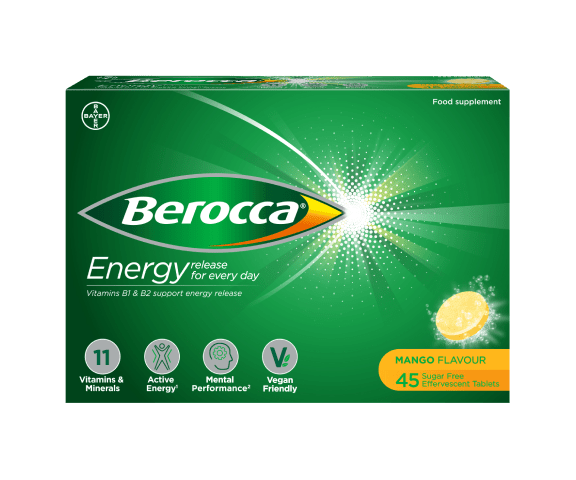

Berocca® Boost Effervescent Tablets
With caffeine for a little kick when you need it most*

Berocca® Blackcurrant Effervescent Tablets
Drop in a glass of water. Wait to fizz. Enjoy!
Find
The nearest shop
Get your Berocca from a store nearby.

*Berocca Boost contains caffeine which helps improve alertness and concentration. Do not exceed 400mg of caffeine per day. Not suitable for those pregnant or breastfeeding.