


Vitamins and minerals for active lifestyles: energy, hydration and muscle function explained
Key takeaways
- An active lifestyle includes everyday movement as well as planned exercise.
- A balanced diet and drinking enough fluid can help you feel your best.
- Vitamins and minerals can support a range of normal body functions.
- Electrolytes are minerals that help maintain fluid balance.
Staying active is an important part of a healthy lifestyle, but it does place a range of everyday demands on your body – whether you’re walking to work, fitting in a workout or simply finding more opportunities to move throughout the day.
Alongside regular movement, eating a balanced diet and drinking enough help provide the nutrients and fluids your body needs to function normally.
Vitamins, minerals and electrolytes each play distinct roles within this picture, helping support the processes involved in everyday movement.
Here’s a closer look at how these nutrients work, where they fit within an active lifestyle and practical ways to support your intake through food and drink.
What does ‘active lifestyle’ really mean?
Being active doesn’t always mean setting a rigid time for exercise. Even being active once or twice a week can provide some health benefits, but adults are encouraged to include some physical activity every day.
As a guide, adults should aim for at least 150 minutes of moderate-intensity activity each week, or 75 minutes of vigorous-intensity activity, along with activities that strengthen muscles on at least two days each week.
That might sound like a lot, but it soon adds up when you spread it over several days. Hiking, cycling, dancing, gardening and carrying heavy shopping bags are all ways to build more movement into your day.
Finding opportunities to move more throughout the day can help make physical activity a natural part of your everyday routine. Where possible, it’s also a good idea to reduce the amount of time spent sitting and break up long periods of inactivity.
The role of vitamins in energy and metabolism
Everyday activities – from standing to climbing the stairs and cooking dinner – all rely on energy.
That energy comes from the food you eat. Your body is constantly breaking food down so the energy it contains can be made available wherever it’s needed. This process is known as metabolism. Put simply, energy-yielding metabolism is how your body releases usable energy from food.
Vitamins don’t provide energy themselves, but they do help your body release energy from the food you eat through normal metabolic processes. Several B vitamins contribute to normal energy-yielding metabolism, including vitamin B1, vitamin B6 and vitamin B12.
Magnesium, which is a mineral, also contributes to normal energy-yielding metabolism.
Hydration: why fluids and minerals work together
Water makes up 50–60% of your body weight. Throughout the day, your body naturally loses water through processes such as breathing, sweating and passing urine, so it’s important to replace these fluids regularly.
Some minerals, known as electrolytes, help maintain normal fluid balance in the body. When dissolved in a liquid (like blood), electrolytes carry an electrical charge that enables them to carry out their roles in the body.
Sodium, potassium and magnesium are among the best-known electrolytes. Of these, magnesium also contributes to electrolyte balance.
Supporting muscle function and everyday movement
Muscles work through a carefully coordinated process of contracting and relaxing. For this to happen, they rely on communication between nerves and muscles. Minerals including magnesium, potassium and calcium also contribute to normal muscle function.
These processes underpin normal muscle movement, whether you’re having a gentle morning stretch or taking part in more structured physical activity.
Supporting your intake through food and drink
For most people, eating a varied, balanced diet is the best way to get the vitamins and minerals the body needs.
Choosing a range of foods from the main food groups helps provide the variety of nutrients needed as part of a healthy eating pattern. These may include:
- Wholegrains, beans and pulses
- Fruit and vegetables
- Eggs, dairy foods or dairy alternatives
- Fish and lean meat
Planning balanced meals may make it easier to maintain healthy eating habits, even on busy days.
Staying hydrated is just as important. Alongside water, lower-fat milk and hot drinks, including tea and coffee, all count as part of your daily fluid intake.
Most people should aim for around six to eight cups or glasses of fluid a day, although some people may need more depending on factors such as physical activity or hot weather. A simple way to check whether you’re drinking enough is to look at the colour of your urine. Aim for a clear pale yellow colour.
If you’re looking to add variety to your routine, Berocca® Hydrate Mango Passionfruit and Berocca® Hydrate Grapefruit can be enjoyed alongside water and other drinks as part of your normal hydration habits.
However you choose to stay active, your body relies on a range of vitamins, minerals and fluids to support normal processes such as energy-yielding metabolism, electrolyte balance and muscle function. Eating a varied, balanced diet and drinking enough fluids can help provide the nutrients and hydration your body needs as part of a healthy everyday routine.
Find the right
Berocca® for You
Shop for Berocca now!
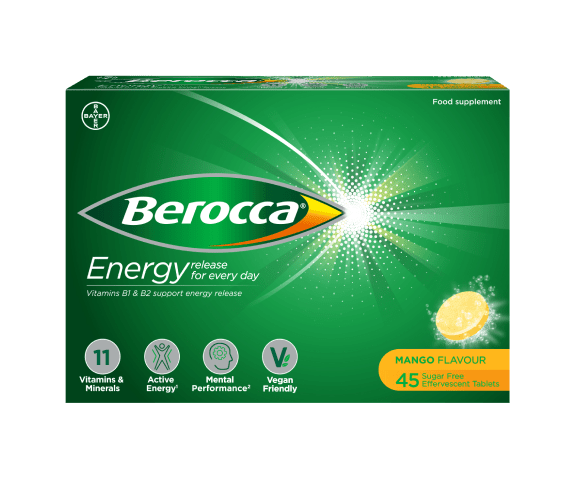

Berocca® Boost Effervescent Tablets
With caffeine for a little kick when you need it most*

Berocca® Blackcurrant Effervescent Tablets
Drop in a glass of water. Wait to fizz. Enjoy!
Find
The nearest shop
Get your Berocca from a store nearby.

*Berocca Boost contains caffeine which helps improve alertness and concentration. Do not exceed 400mg of caffeine per day. Not suitable for those pregnant or breastfeeding.